
Quick answer
Single group class drop-in sessions start at 500 THB at most Thai boxing gyms. Weekly packages typically range from 2,500 to 4,000 THB, while month-long training programs run between 8,000 and 15,000 THB depending on location and facility quality. Premium camps in tourist areas like Phuket and Koh Samui sit at the higher end, whereas neighborhood gyms in Bangkok and Chiang Mai offer the most accessible rates for extended training.
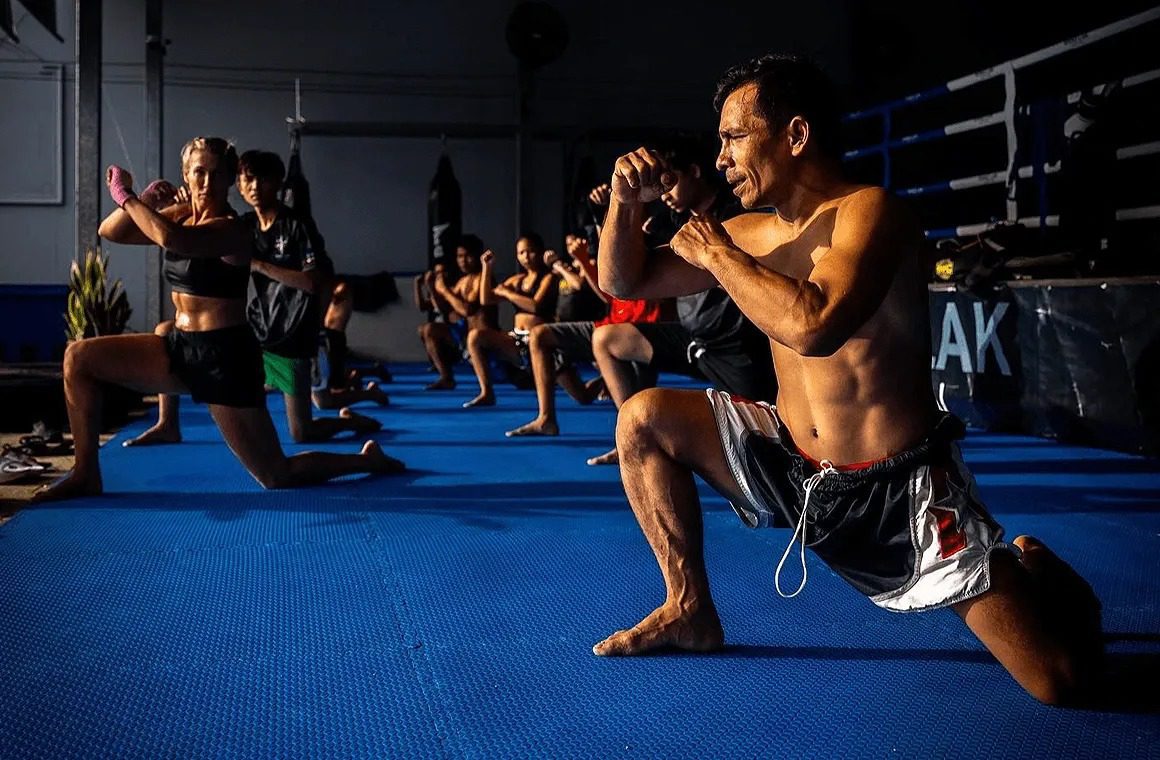
Thailand's Muay Thai economy operates on a tiered structure shaped by geography, facility amenities, and the fighter-to-tourist ratio in each gym's student base. A neighborhood camp in Bangkok's outskirts where Thai nationals train alongside visitors will charge a fraction of what a beachfront Phuket facility with air-conditioned rings and nutrition plans commands. The art itself remains consistent, but the infrastructure around it scales with real estate costs and clientele expectations. Muay Thai training in Thailand prices reflect three distinct pricing models. Drop-in rates suit travelers passing through a region for days rather than weeks, with single sessions hovering around the 500 THB benchmark. Weekly packages reduce the per-session cost by twenty to thirty percent and grant access to morning and afternoon training blocks, typically running Monday through Saturday. Monthly commitments unlock the steepest discounts and often include supplementary conditioning work, sparring supervision, and padwork with senior trainers. The gap between budget and premium gyms widens when you examine what's bundled beyond ring time. Inexpensive camps charge only for instruction—wraps, gloves, and shin guards are your responsibility, and the training space may be open-air concrete under a tin roof. Mid-tier facilities provide loaner equipment, floor fans, and basic locker access. High-end operations add accommodations, meal plans, strength and conditioning coaches, and occasionally physiotherapy or sports massage, pushing monthly rates past 20,000 THB but eliminating every logistical variable outside the workout itself. Location dictates more than price—it shapes training culture. Gyms in Chiang Mai and less-touristed provinces maintain a grittier, competition-focused atmosphere where foreign students train alongside Thai fighters preparing for stadium bouts. Coastal camps in Phuket, Koh Samui, and Krabi cater to fitness-oriented visitors and structure sessions with more explanation and lower intensity. Neither model is superior; your goals determine which environment delivers value. A month at a rural Isaan camp might cost half what a week in Patong Beach does, but the language barrier steepens and the training philosophy assumes prior striking experience. Seasonal pricing remains rare in Muay Thai training, unlike Thailand's hospitality sector. Gyms hold rates steady year-round because their rosters blend long-term residents, digital nomads on multi-month stays, and active fighters whose schedules ignore tourist seasons. The exception appears in holiday windows around Christmas and Songkran, when some facilities implement modest surcharges or require minimum stay commitments as global demand peaks and short-term bookings strain coaching ratios.
“The art itself remains consistent, but the infrastructure around it scales with real estate costs and clientele expectations.”
Standard Operating Hours for Muay Thai Training in Thailand Prices
Training centers operate throughout the week with consistent daily schedules. Facilities remain closed on Sundays to allow for rest.
| Monday | 07:00–18:00 | |
|---|---|---|
| Tuesday | 07:00–18:00 | |
| Wednesday | 07:00–18:00 | |
| Thursday | 07:00–18:00 | |
| Friday | 07:00–18:00 | |
| Saturday | 07:00–18:00 | |
| Sunday | Closed |
The Best Time for Muay Thai Training in Thailand Prices
The best arrival window for Muay Thai training is 07:00–08:00 to capitalize on cooler temperatures and lower attendance. Training during these morning hours allows practitioners to avoid the intense midday heat and peak evening congestion.
Weekday mornings
Minimal—
Morning sessions provide the most personal space for technical instruction. Training early avoids the afternoon heat spike and evening gym rush.
November to February
HighCooler, 25°C to 30°C
This period offers the most comfortable weather for physical exertion. Expect gyms to be busier as this aligns with the peak tourist season.
March to May
ModerateHot, 30°C to 35°C
High temperatures require increased hydration and endurance. Crowds decrease slightly compared to the cooler months due to extreme heat.
Verdict: The optimal time to train is Monday through Saturday, arriving between 07:00–08:00 during the cooler months of November to February.
Essential Prep for Muay Thai Training in Thailand Prices
Arrive prepared with the right gear and documentation to make the most of your training session.
-
Bring hand wraps and shorts — Most gyms require proper Muay Thai attire for hygiene and safety.
-
Confirm your booking in advance — Popular training times fill quickly, especially morning sessions.
-
Pack a towel and water bottle — Thailand's heat makes hydration essential during intense workouts.
-
Arrive 15 minutes early — You'll need time to wrap hands, warm up, and meet your trainer.
-
Bring valid ID or passport copy — Required for registration at most training facilities.
-
Wear slip-on footwear — You'll remove shoes before entering the training area.
Check availability
Frequently asked questions about Muay Thai training in Thailand prices
Everything you need to know about muay thai training in thailand prices